Why Pet Abandonment Is Not a Personal Failure
Why Pet Abandonment Is Not a Personal Failure —
And Why Turning Away Is No Longer an Option**
Most people believe pet abandonment happens because someone did not care enough.
That belief is comforting.
And it is wrong.
What we see, again and again, is not cruelty — but collapse.
Animals are not separate from us. They live in our homes, our streets, our neighbourhoods. They were bred by humans, for humans — born into dependence, not wilderness. The cats on our streets and the dogs tied outside homes are not wild creatures in distant jungles. They are part of our communities.
And when they suffer, it reflects a failure of human systems — not individual hearts.
Caregivers want to do the right thing. They feed, rescue, foster, and try to manage what they can. But support is missing. Vet bills are unaffordable. Sterilisation is inaccessible. Food costs rise. Two unsterilised cats can become dozens in a matter of months.
Care turns into crisis.
Crisis turns into hoarding, neglect, and eventual abandonment — not because people stop caring, but because they are overwhelmed and alone.
When animals are hoarded, living conditions deteriorate for everyone involved — animals, caregivers, neighbours alike.
When animals are abandoned into neighbourhoods, parks, or the wild, the consequences spread outward: public health risks, environmental damage, community conflict, and quiet, ongoing suffering.
These animals cannot speak.
They cannot vote.
But they still live with the consequences of human decisions.
At the root of this crisis lies something deeper than animal welfare alone. Poverty, systemic inequality, lack of access to medical care, and social neglect shape the conditions in which both humans and animals struggle to survive. When communities fracture and resources disappear, the most vulnerable — human or animal — pay the heaviest price.
Looking away is a choice.
And it is a costly one.
Because once you truly see what is happening, inaction is no longer neutral
Why This Campaign Exists
Rescue alone is not enough.
Across neighbourhoods and communities, caregivers are already doing the work — feeding community cats, fostering abandoned animals, paying for emergency vet visits out of pocket, and trying to prevent situations from spiralling further.
Animals are saved one by one.
But without structural support, the burden becomes crushing.
That is why this campaign exists.
Funds are being raised to establish a foundation focused on practical, ground-level intervention, including:
- registered fosterer care
- food drops for community cats
- medical expenses for animals in need
- emergency intervention when illness, injury, or abandonment cannot wait
This is not a future plan.
It is a response to what is already happening.
What This Looks Like in Real Life
This is not theory.
It is daily reality.
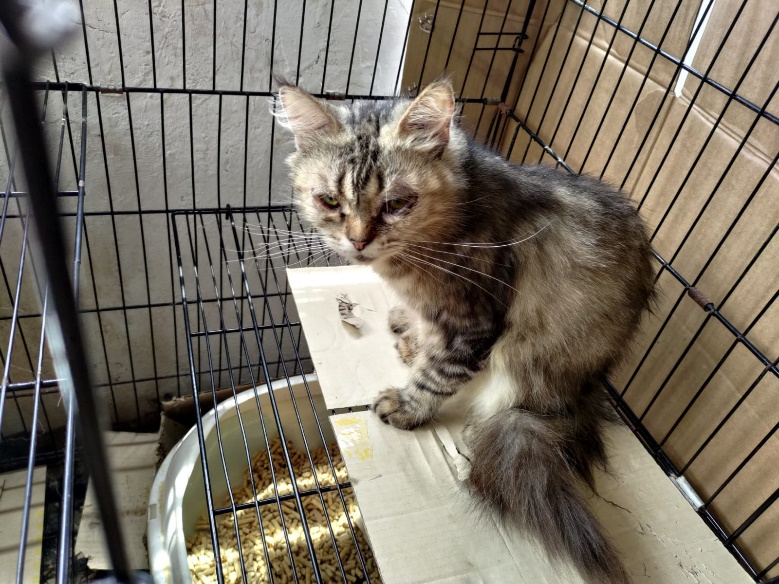
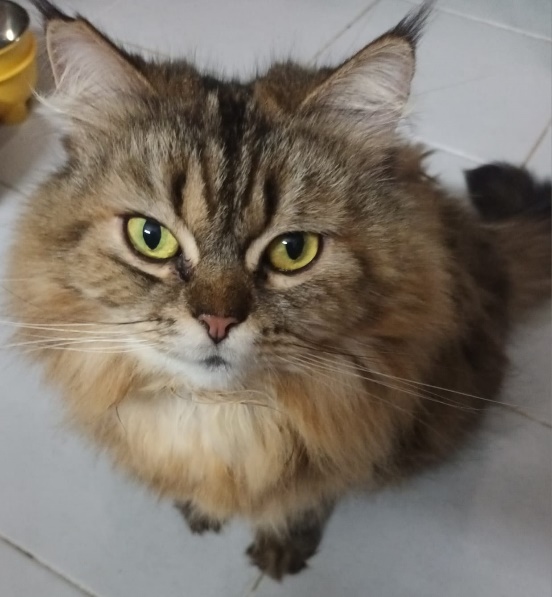
Here are four cats who went from drain to safety.
These are their before and after photos.
All four were extremely ill when taken in.
Today, they are healthy, secure, and flourishing in their new homes.
One act of care creates a chain reaction.
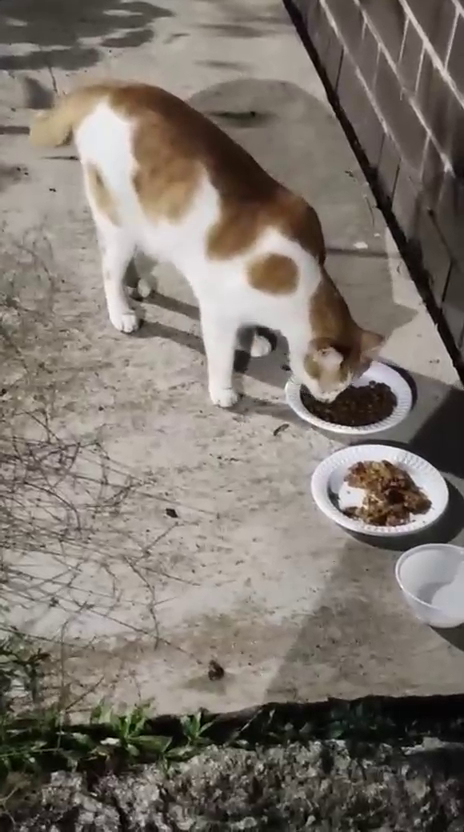
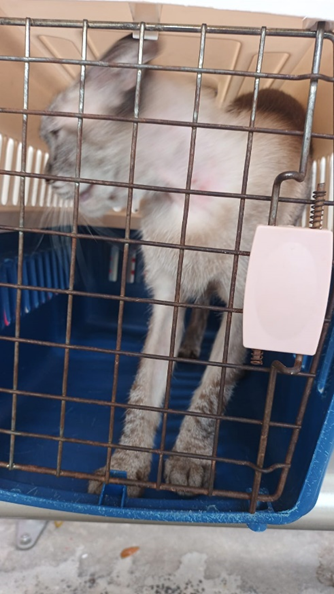
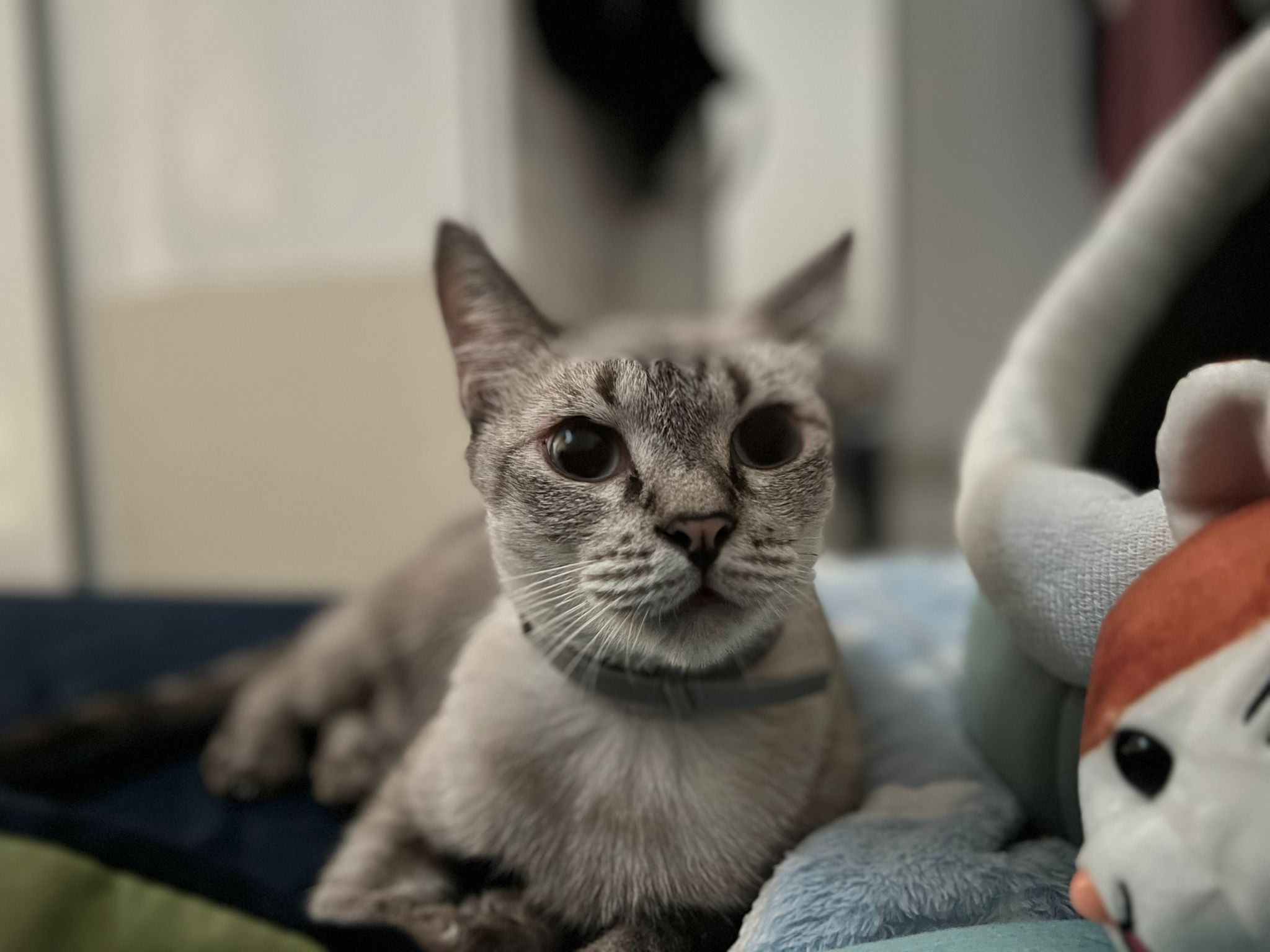
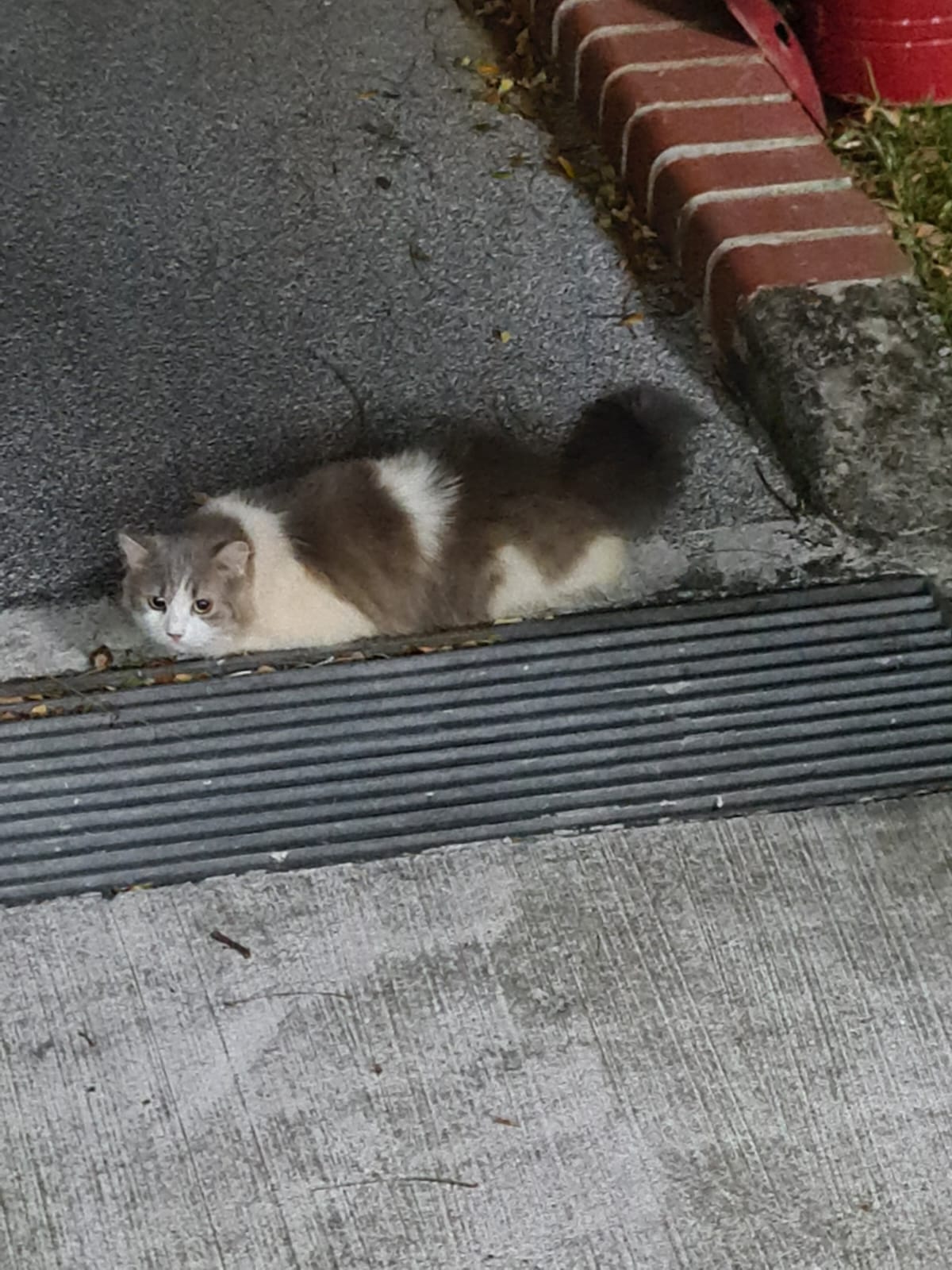
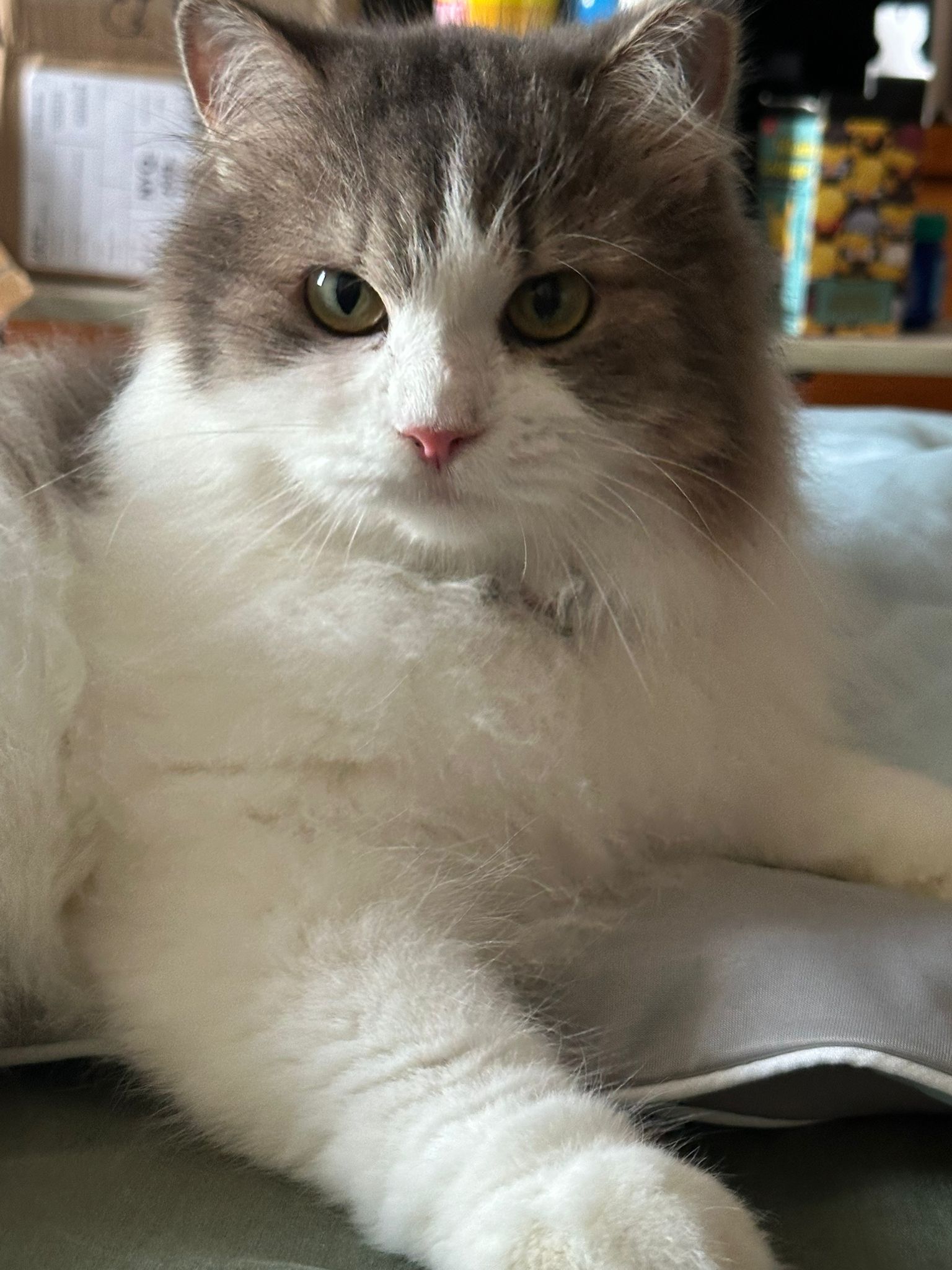
Each case reveals the same truth:
Without support, suffering multiplies.
With support, cycles are broken.
One intervention prevents dozens of future abandonments.
One act of care creates a chain reaction.
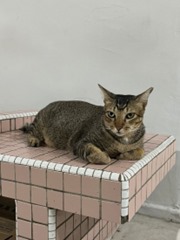
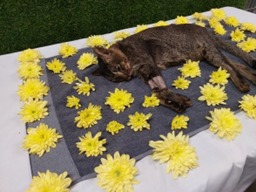
Anyang
Anyang was found ill, without shelter, and without enough time. Help came too late.
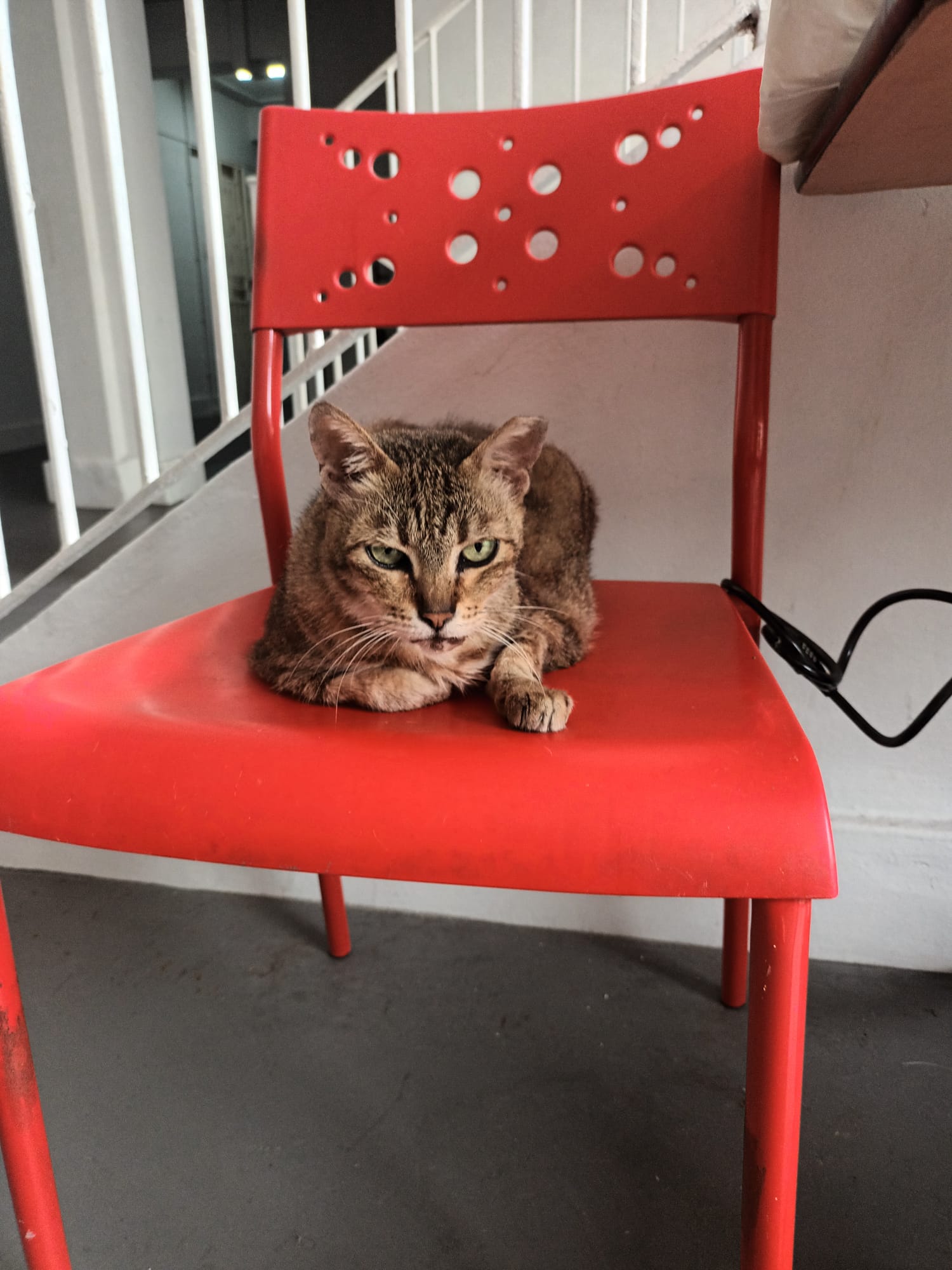
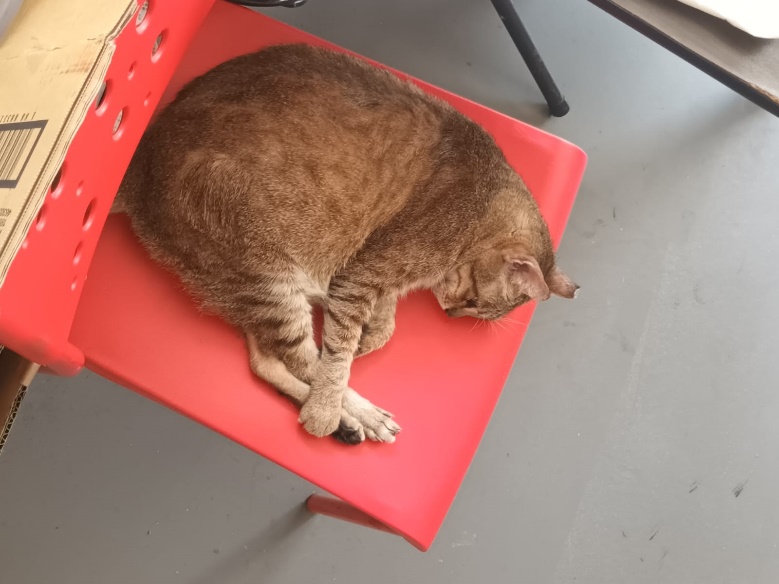
Sasha (last of three sisters)
Sasha is the only sister who remains. Her two sisters have already died. She is old, alone, and no longer adoptable. She survives with the help of a public feeder.
This Is Not Charity as Performance
This work is not about appearances, campaigns, or recognition.
It is about responsibility.
Animals are citizens of Earth. They cannot vote — but we can. We can choose systems that protect life and dignity, just as we protect our own. We can build communities where kindness is practiced, not merely preached.
They cannot speak.
But we can.
How You Can Help
If this story resonates with you —
If you believe animals should not pay the price for systemic failure —
If you want to support fosterers, food drops, and medical care for animals in need —
This is how you can help.
Your contribution goes directly toward:
- sustaining registered fosterer care
- funding food drops
- covering urgent medical expenses
- preventing abandonment before it happens
There is no pressure.
No performance.
Just a door.
And what you choose to do with it matters.
Because silence only wins when we allow it to.
What This Campaign Is Building Toward
This fund of 6.1 million to 10 million is intended to establish a foundation to support a registered fosterer network, fund medical care, and provide food drops for animals and caregivers in need. The amount reflects the scale required to move beyond isolated rescues and build sustained, long-term support systems where they are most needed.
A Small Thank You
As a simple gesture of appreciation:
- Supporters contributing USD $25 or more will receive a printable digital calendar featuring cats we have rescued.
- Supporters contributing USD $125 or more will receive a printable, interactive digital diary, designed for use on Android and Apple devices.
Supporters may also subscribe to the Cats Hope Facebook page to receive campaign updates and rescue news.
There is no obligation to engage publicly — this is about staying informed, not performing support.
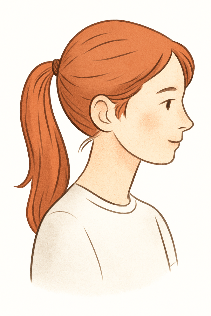
Tiffany Argent
Cats Hope Ambassador
A Personal Promise
I’m Tiffany Argent, spokesperson for Cats Hope. For over 40 years, I’ve rescued, rehabilitated, and rehomed cats — including newborns, seniors, and complex medical cases.
At Cats Hope, we can’t save every life. But with support, we don’t have to turn away those placed in our care.
— Tiffany Argent
Cats Hope
Cats Hope
🕊️ A Simple Promise
When a life is in danger, help should not depend on wealth.
Cats Hope exists so compassion can become action — and action can become rescue.
Together, we can make sure every small life matters.